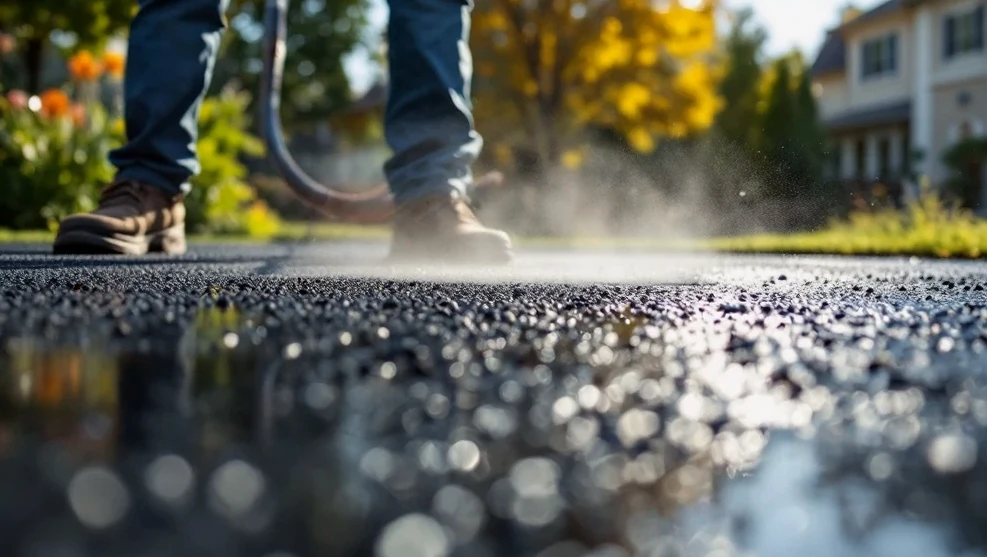
What is Asphalt Paving and how does it work?
Asphalt paving is the process of laying a hot mix of stone, sand, and liquid asphalt over a prepared base, then compacting it into a smooth, durable surface. It's the standard for driveways because it's tough, affordable, and can handle heavy vehicles and freeze-thaw cycles.
Think of asphalt as a recipe. The 'liquid asphalt' is a sticky, black petroleum product that acts like glue. It's mixed with graded stone and sand at a plant, heated to around 300 degrees, and delivered to your site in dump trucks. The crew spreads it, rakes it smooth, and then rolls it with a heavy steel drum to lock everything together. Once it cools, it hardens into a solid, water-resistant layer.
For a home driveway, the process is more than just pouring blacktop. The ground underneath has to carry the weight of your truck or SUV. If the base is weak, the asphalt will crack and sink, no matter how thick the top layer is. That's why we spend as much time on the base as we do on the surface.
In Huntsville, the clay soil can swell when wet and shrink when dry, which puts extra stress on driveways. A proper base of crushed stone, compacted in layers, spreads the load and lets water drain away from the surface. The asphalt itself is the wearing course, not the support structure.
- Hot mix asphalt: stone, sand, and liquid asphalt, heated and laid hot.
- Base preparation: compacted stone or gravel that supports the asphalt.
- Compaction: a roller presses the asphalt to remove air pockets and create density.
Short version
- Asphalt is a hot mix of stone and liquid asphalt, spread and compacted.
- Underneath, the base does the heavy lifting, not the asphalt itself.
- Proper drainage and compaction prevent cracks and potholes.
How Asphalt Paving Works, From Start to Finish
A typical asphalt driveway job runs from a few days to a week, depending on the size and site conditions. The steps are: site prep, grading, base installation, asphalt delivery, paving, and compaction. Each step matters, and leaving out any of them leads to early failure.
We start by clearing the area. That means removing grass, old asphalt, or whatever else is there. If there's an existing driveway that's cracked and heaved, we tear it out. The old material gets hauled away, not buried under the new surface, because it'll settle and cause dips.
Next, we grade the soil to give the driveway a slight slope, usually about a quarter inch per foot, so water runs off instead of pooling. In Huntsville, where afternoon thunderstorms are a regular thing, drainage is not optional. We also check for soft spots. If the ground is spongy, we dig it out and replace it with compactable fill.
Then comes the base. We spread crushed stone, typically 4 to 6 inches for a residential driveway, and compact it in layers with a vibratory roller. Each layer gets tamped down until it's solid. This base is what keeps the driveway from cracking when the ground shifts with the seasons.
On paving day, a truck from the asphalt plant arrives with the hot mix. The temperature has to be right, usually above 250 degrees when it hits the ground. Our crew spreads it with a paver or by hand if the driveway is tight. We aim for a thickness of 2 to 3 inches for the top layer, depending on what's under it.
The final step is compaction. A steel-wheel roller goes over the fresh asphalt while it's still warm, pressing the stones together and pushing out air. This creates a dense, smooth surface. If the asphalt cools too much before rolling, it won't compact properly, and you'll get a soft, crumbly driveway.
One common mistake homeowners make is thinking they can pave right over an old driveway if it looks flat. That rarely works. The old surface might hide soft spots or drainage problems. We've seen too many 'overlays' that looked fine for a year, then cracked right through the new layer. The right way is to fix the base first.
- Site prep: clear, excavate, and remove old material.
- Grading: slope the soil so water drains away.
- Base: 4 to 6 inches of compacted crushed stone.
- Paving: hot mix asphalt laid at 2 to 3 inches thick.
- Compaction: rolling while the asphalt is still warm.
- Clear and grade.Remove old pavement and vegetation, then shape the soil to drain.
- Install and compact the base.Spread crushed stone in layers and roll it until solid.
- Lay the hot mix.Spread asphalt evenly, at the right temperature and thickness.
- Roll and finish.Compact the asphalt while hot, then let it cure.
Why Asphalt Paving Matters for Your Home
Your driveway is the first thing people see, but it's also a working surface that takes a beating from cars, weather, and time. A properly paved asphalt driveway adds curb appeal, boosts property value, and saves you from constant repairs. In Huntsville, where summers bake and winters freeze, the right paving job pays off for decades.
Concrete is an option, but asphalt is usually more cost-effective for a residential driveway. The average cost to pave a driveway in the U.S. is $4,897, and in Huntsville, most projects fall between $2,112 and $6,336. (angi.com) (projectcostatlas.com) That's a wide range because the size, site prep, and materials vary. A typical estimate for a standard asphalt driveway in Huntsville is around $3,696. (projectcostatlas.com)
But price isn't the only reason to choose asphalt. It's flexible, which means it can handle the ground shifting under Huntsville's clay soil better than rigid concrete. It's also quick to install, usually a day or two once the base is ready, so you're not blocked out of your garage for a week.
A well-paved driveway also protects your car. A smooth surface is easier on tires and suspension than a cracked, uneven one. And when it comes time to sell, a clean driveway is a plus. Buyers notice the approach to the house first, and a crumbling driveway makes them wonder what else has been neglected.
There's also the maintenance angle. Asphalt can be sealed every few years to extend its life and keep it looking dark and fresh. That's a simple job compared to replacing a section of concrete that's cracked and heaved.
Asphalt is a smart choice for Huntsville driveways because it's durable, cost-effective, and handles the local soil and weather well.
Common Problems and What Causes Them
Most asphalt problems trace back to a poor base, bad drainage, or lack of maintenance. Cracks, potholes, and sinking are the usual culprits. Catch them early, and you can avoid a full replacement.
Cracks are the most common issue. They start small, often from the ground shifting or from water seeping into the base. In Huntsville, freeze-thaw cycles make it worse: water gets into a crack, freezes, expands, and widens the crack. That's why we seal cracks as soon as they appear. A little caulk now beats a big patch later.
Potholes happen when the base underneath fails. If water gets under the asphalt and softens the soil, the surface can collapse. The fix is not just filling the hole with cold patch. We cut out the damaged area, fix the base, and repave it. Otherwise, it'll come back.
Sinking or settling is another red flag. If a section of your driveway dips, it usually means the base wasn't compacted well or the soil underneath was weak. That's a bigger job, but it's fixable by removing the asphalt, re-compacting the base, and paving over.
Alligator cracking, those interconnected cracks that look like reptile skin, is a sign of structural failure. It happens when the base is too thin or the asphalt is too thin for the load. You can't just patch it; the whole section needs to be redone.
What most homeowners get wrong is ignoring small issues. A hairline crack seems harmless, but water finds its way in. Over a few winters, it becomes a pothole. We recommend a yearly walk-around, especially after a hard freeze. Look for cracks wider than a pencil, standing water, or any dip that holds water after a rain.
Another mistake is assuming any blacktop is the same. Some outfits use a thin layer of asphalt over a weak base to save money. It looks fine for a year, then falls apart. That's why we always build a proper base, even if it costs a bit more upfront. It's cheaper than doing it twice.
- Cracks: seal them early to prevent water damage.
- Potholes: fix the base, not just the surface.
- Sinking: re-compact the base and repave.
- Alligator cracking: a sign of structural failure, needs full section repair.
Hairline cracks
Seal them with crack filler to keep water out.
Cracks wider than a pencil
Patch or seal within a season to avoid bigger damage.
Potholes or sinking
Call us for a repair before water ruins the base.
Sources
Need asphalt paving in Huntsville? Get a free estimate today.
📞 256-472-9731